If you’re planning on driving in the UK, you need to know about the different types of driving licences available, and which covers which type of vehicle.
The driving licence system in the UK is split into different categories, each allowing you to drive specific types of vehicles, which we’ve explained below.
The Different Types of UK Driving Licences Explained
- Provisional Licence – This is the first step for learner drivers, and it allows you to drive on UK roads with L plates and a qualified driver. This driver must be over the age of 21and have had a full licence for 3 or more years. You need to have a provisional license before you take any driving test. They’re valid for Category B (cars) for learners aged 17+, as well as mopeds and scooters (AM/P) from age 16+.
- Category B – This is the most common full driving licence and it allows you to drive vehicles up to 3,500kg with up to 8 passenger seats, with a trailer up to 750kg, or heavier if the combined weight doesn’t exceed 3,500kg. The minimum age for a Category B driving licence is 17, (or 16 if you get the enhanced mobility PIP benefit).
- Category AM – This is for light mopeds and scooters, and it covers 2-wheeled vehicles up to 50cc and max speed of 28mph. The minimum age for a Category AM driving license is 16, and it’s often taken with the Compulsory Basic Training (CBT) course.
- Category A – This allows you to drive a motorcycle on UK roads, and it’s split into three subcategories based on age and experience. A1 is from the age of 17, and covers motorcycles up to 125cc, with a max power of 11kW. A2 is from the age of 19, and covers motorcycles up to 35kW, but no more than double the original power. A is from age 24 or after 2 years on A2, and allows you to drive any motorcycle with no power restrictions.
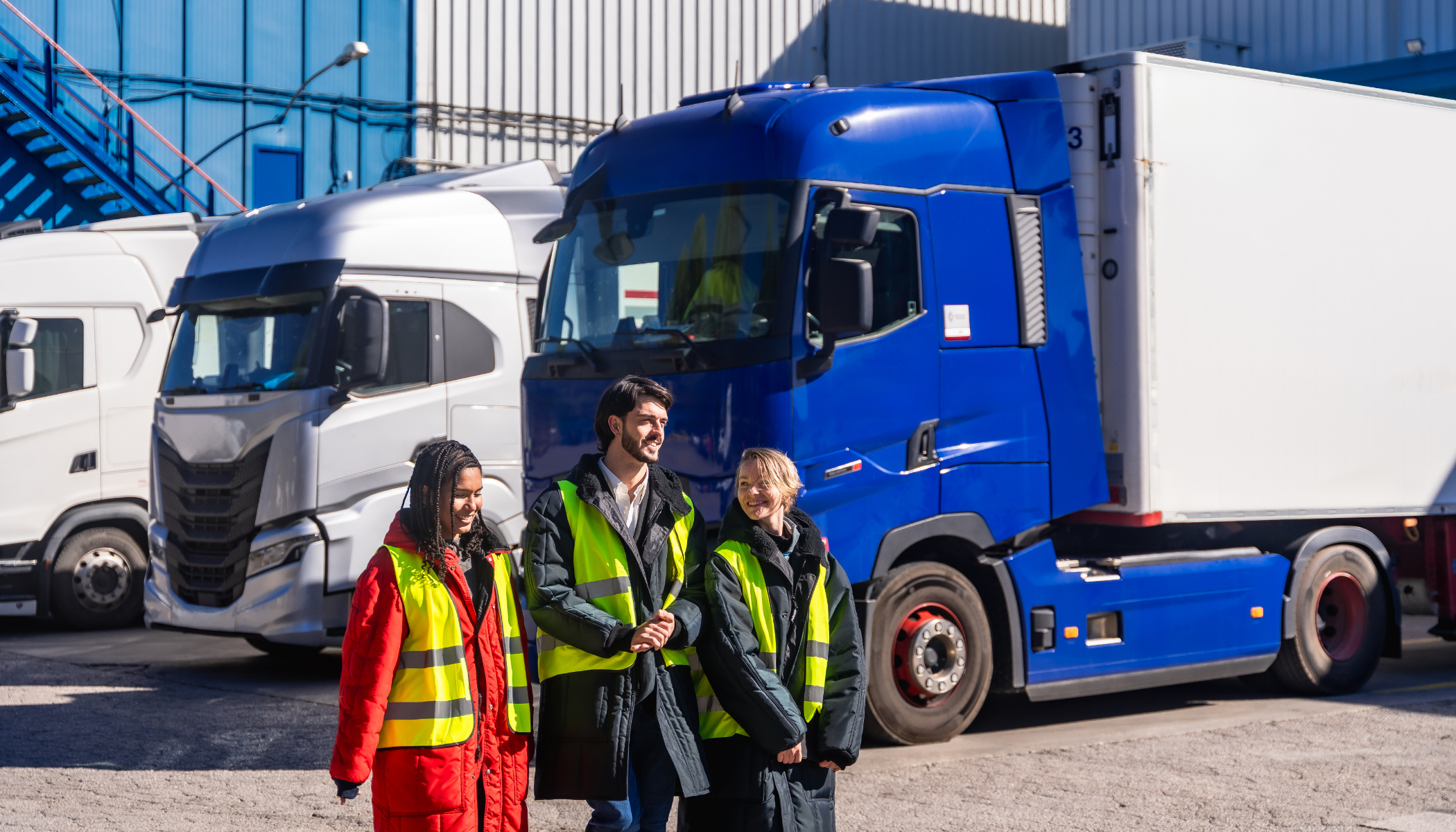
- Category C – C1 is for lorries and HGVs, and it allows you to drive medium-sized vehicles between 3,500kg and 7,500kg, with a trailer up to 750kg. The minimum age for a C1 license is 18. C allows you to drive large goods vehicles over 3,500kg, with a trailer up to 750kg. Category C+E lets you tow trailers over 750kg.
- Category D – This driving licence covers buses and coaches. D1 has a minimum age of 21 and extends to minibuses with up to 16 passenger seats, up to 8m long, with a trailer up to 750kg. D covers larger buses with more than 16 seats, and Category D+E allows towing a trailer over 750kg.
Other Useful UK Driving Licence Categories
- B+E – This allows towing trailers over 750kg with a standard car.
- F – This covers agricultural tractors.
- G– This is for road rollers.
- H – This is for tracked vehicles.
- K – This covers mowing machines and small pedestrian vehicles.
- P – This is for mopeds up to 50cc, up to 31mph.
Whether you’re aiming to drive a car, ride a motorbike or operate heavy vehicles, there’s a specific UK driving licence category for you. Understanding what each licence allows helps ensure you’re legal and safe on the road.
The above is a simple, non-exhaustive guide. PRS Recruitment Solutions suggest you always seek professional advice before driving in any country.